Barbie Ferreira Weight Loss 2026–27: Her Transformation, Diet, Workout & Inspiring Journey

Barbie Ferreira Weight Loss

Introduction

Barbie Ferreira Weight Loss :Few celebrity transformations in recent memory have captured public attention quite like Barbie Ferreira’s weight loss journey. The actress best known for her breakout role as Kat Hernandez in HBO’s critically acclaimed drama Euphoria stunned fans in 2024 when photos of her noticeably slimmer physique began circulating across social media. For a woman who had built her public identity around unapologetic body positivity, radical self-acceptance, and defiance of Hollywood’s narrow beauty standards, the visible change sparked an enormous wave of conversation — some celebratory, some critical, and all of it deeply revealing about society’s complicated relationship with women’s bodies and weight.

Barbie Ferreira is not just an actress — she is a cultural figure who, for years, represented a different kind of beauty in mainstream media. As one of the few plus-size models and actresses to achieve genuine mainstream visibility, she was a beacon for millions of young women who had never seen themselves reflected in Hollywood or on fashion runways. Her decision to pursue a personal health transformation, therefore, was never going to be a purely private matter. It was always going to be public, polarizing, and loaded with meaning far beyond the number on a scale. Understanding her journey requires holding both truths simultaneously: that this is her body and her choice, and that it exists within a cultural context that makes those choices politically and emotionally charged for women everywhere.

By 2025, Barbie’s transformation had reached a milestone that felt almost poetically full circle: she walked the runway at the Victoria’s Secret Fashion Show in October 2025 — an event historically synonymous with an impossibly narrow definition of beauty — wearing a red bra, matching underwear, and an oversized denim jacket with mini angel wings. The moment was widely interpreted as a statement of personal evolution, professional reinvention, and quiet defiance. Whether you view her weight loss through the lens of empowerment or with concern about Hollywood’s pressures on women, there is no denying that Barbie Ferreira’s story is one of the most compelling personal narratives in celebrity culture today.

This article offers a comprehensive, SEO-optimized, and respectful exploration of Barbie Ferreira’s weight loss journey — covering who she is, what sparked her transformation, how she approached diet and fitness, the emotional dimensions of her change, how Hollywood and the public responded, and what lessons her story holds for anyone navigating their own relationship with body image, health, and self-worth. We will also address the most commonly asked questions about her journey with honest, balanced answers grounded in what has actually been reported.

1. Who Is Barbie Ferreira?

Barbie Ferreira was born on December 14, 1996, in the Bronx, New York, and grew up in New Jersey in a Brazilian-American family. From a young age, she was drawn to performance and the arts, but it was the world of modeling that gave her her first significant platform — and it was a platform built explicitly on challenging industry norms. At just 18 years old, Ferreira was discovered through Instagram by American Apparel, where her unapologetically confident presence in campaigns as a plus-size model immediately resonated with audiences hungry for authentic, unretouched representation in fashion advertising.

Her modeling career quickly expanded to include campaigns for major brands including H&M, Aerie, and Missguided — all of which were drawn to her natural ease in front of the camera and the powerful message her presence sent to consumers tired of seeing only one narrow body type celebrated in advertising. She became a sought-after face for the body positivity movement at a time when that conversation was beginning to gain serious mainstream traction, and she used every platform she received to advocate loudly and articulately for the radical idea that all bodies deserve visibility, dignity, and representation.

Ferreira’s transition from modeling to acting was seamless and meteoric. Her casting as Kat Hernandez in Euphoria — HBO’s groundbreaking, visually stunning teen drama — introduced her to an entirely new global audience and earned her widespread critical praise. Kat was a complex, sexually empowered, intellectually curious character whose arc explored body image, online identity, and female power with rare nuance. Barbie brought her to life with remarkable authenticity and depth, making her one of the series’ standout performances despite not being the lead. The role made her a household name and cemented her status as one of the most culturally relevant young actresses of her generation.

However, after two seasons of Euphoria, Ferreira made the decision not to return for the continuation of the series. In a candid 2023 interview on Dax Shepard’s Armchair Expert podcast, she explained her departure with disarming honesty: she no longer wanted to be defined by the role of ‘the fat best friend.’ She wanted opportunities to play characters whose arcs were not defined by their body size, and she felt that continuing as Kat would limit rather than expand her range. It was a bold professional move that underscored her determination to author her own narrative — a determination that would prove equally evident in her subsequent personal transformation.

2. Barbie Ferreira’s Weight Loss: What We Know

Barbie Ferreira’s weight loss first became a major topic of public conversation in late 2024, when a series of photos — including candid mirror selfies posted to her Instagram — revealed a noticeably slimmer physique that sent social media into a frenzy of commentary, speculation, and debate. The transformation was striking precisely because of who Barbie had been as a public figure: for years, she had been one of the most visible and vocal advocates for body acceptance and the rejection of diet culture. Seeing her look dramatically different prompted many to ask — why, how, and what does this mean?

While Barbie Ferreira has not publicly disclosed the precise details of how much weight she lost or exactly how she achieved her transformation, multiple sources with knowledge of her journey estimate that she shed approximately 40 to 45 pounds over the course of 2024. This was a gradual process that unfolded over many months rather than a rapid transformation, which is consistent with the kind of sustainable, health-focused approach that produces lasting results. The fact that the change happened gradually and steadily suggests a committed, disciplined lifestyle shift rather than a crash diet or extreme intervention.

Speculation about the method behind her transformation has been inevitable, particularly in an era when GLP-1 receptor agonists such as Ozempic and Wegovy have become widely discussed in celebrity culture. Barbie has not addressed or confirmed any such speculation, and it would be inappropriate to draw conclusions in the absence of a direct statement from her. What she has consistently communicated, both explicitly and through the channels available to her, is that her transformation was driven by a focus on personal wellness, strength, and feeling good in her own skin — rather than by a desire to conform to external standards of beauty.

The public moment that perhaps most powerfully crystallized her transformation was her debut at the 2025 Victoria’s Secret Fashion Show. Walking a runway that had historically been one of the most exclusive and body-standard-enforcing stages in fashion, Barbie Ferreira appeared confident, radiant, and entirely at home — a sight that prompted complex but largely admiring responses from fans who recognized both how far she had come and how consistent her fundamental message of self-possession had remained throughout her evolution.

3. What Motivated Barbie Ferreira’s Weight Loss?

Understanding the motivations behind Barbie Ferreira’s weight loss is essential to understanding the transformation fairly and completely. Too often, celebrity weight loss stories are reduced to superficial narratives of vanity or capitulation to industry pressure — but Barbie’s journey appears considerably more nuanced, personal, and internally driven than such a reductive reading would allow. The motivations she has referenced, either directly or through her public communications, span professional ambition, personal well-being, emotional growth, and a genuine desire to take active ownership of her health.

One dimension of her motivation that has been widely reported relates to her career trajectory following her departure from Euphoria. When she left the show, opportunities in Hollywood — which had been abundant while she was one of the series’ most talked-about cast members — became harder to come by. A source reported by The Daily Mail described a situation in which Barbie recognized that reinventing herself was necessary to maintain longevity in an industry that, despite its progressive rhetoric, continues to impose very real and very unfair body-based barriers on professional opportunity for women. The same source described her as ‘incredibly talented’ with a ‘strong drive to succeed’ — and her weight loss as part of a deliberate, career-conscious reinvention strategy.

But career calculations alone do not adequately explain a transformation of this scale and consistency. In the broader sweep of Barbie’s public communications, another motivation emerges clearly: the desire to feel genuinely healthy, strong, and energized in her daily life. She has spoken at various points about the importance of mental health and emotional well-being as the foundation of sustainable physical change, and about feeling ‘good in her own skin’ as a goal that is fundamentally about internal experience rather than external appearance. This framing positions her weight loss not as a rejection of her former self but as an evolution — a woman who spent years fiercely defending her right to exist in the body she had, ultimately also claiming her right to change that body on her own terms.

4. Barbie Ferreira’s Diet: Mindful Eating for Real Results

While Barbie Ferreira has not released a detailed meal plan or made extensive public statements about her specific dietary approach, the information that has emerged through her interviews and social media presence paints a consistent picture: her approach to eating during her weight loss journey was characterized by mindfulness, balance, and a focus on nourishment rather than deprivation. This is a critically important distinction. Restrictive dieting — cutting out entire food groups, severely reducing calories, or adhering to rigid meal plans — tends to produce dramatic short-term results followed by equally dramatic rebound weight gain. The gradual, sustained nature of Barbie’s transformation suggests a more thoughtful and sustainable nutritional philosophy.

The core principle of her dietary approach appears to be mindful eating — a practice rooted in paying full, conscious attention to what you eat, why you eat it, and how it makes your body feel, rather than following external rules about what you are or are not allowed to consume. Mindful eating has robust scientific support as a strategy for sustainable weight management, particularly for individuals who have struggled with emotional eating patterns — a challenge Barbie has referenced in her discussions of body image and self-worth. By developing a more intentional and aware relationship with food, she was able to make choices aligned with her health goals without the psychological violence of rigid restriction.

🥗  Key Dietary Principles Attributed to Barbie’s Approach Mindful eating — paying conscious attention to hunger cues and fullness signals. Prioritizing whole, nutrient-dense foods including lean proteins, vegetables, fruits, and complex carbohydrates. Reducing processed foods, excess sugar, and empty-calorie snacks without completely eliminating any food group. Staying consistently well-hydrated, as adequate water intake supports metabolism and reduces false hunger signals. Focusing on sustainable, long-term dietary habits rather than short-term crash dieting.

Protein intake is widely understood to be a cornerstone of any successful weight loss program, particularly when combined with strength training — which, as we will explore in the next section, was a central component of Barbie’s fitness routine. Higher protein consumption preserves lean muscle mass during caloric deficits, increases feelings of satiety, and elevates the thermic effect of food — meaning the body burns more calories simply digesting protein than it does digesting carbohydrates or fats. Whether or not Barbie followed a specific high-protein protocol, her combination of strength training and visible lean muscle development strongly suggests that adequate protein was a feature of her nutritional approach.

What is perhaps most admirable about Barbie’s relationship with diet during her transformation is the apparent absence of the punitive, all-or-nothing mentality that makes most diet plans ultimately unsustainable. Throughout her public life, she has consistently advocated for a relationship with food grounded in pleasure, nourishment, and self-compassion — and there is every indication that these values remained central even as she worked toward her health goals. True, lasting weight loss is never achieved through suffering and deprivation; it is achieved through building a genuinely healthier and more enjoyable relationship with food over time. That, it appears, is exactly the approach Barbie took.

5. Barbie Ferreira’s Workout Routine: Building Strength Inside and Out

Exercise has been clearly identified as a central pillar of Barbie Ferreira’s weight loss and body transformation journey. Unlike many celebrity weight loss stories that emphasize extreme cardio regimens or punishing daily workout schedules, Barbie’s approach to fitness appears to have been grounded in strength training — a form of exercise that builds lean muscle mass, boosts metabolic rate both during and after exercise sessions, and produces the kind of strong, toned physique that is visible in her more recent public appearances. Strength training is also notable for its profound mental health benefits, including increased confidence, improved mood, and a greater sense of physical capability and agency over one’s body.

She has referenced working with a personal trainer as part of her fitness journey — a resource that brings significant advantages in terms of program design, form coaching, accountability, and progressive overload. A qualified personal trainer ensures that workouts are tailored to individual goals, fitness levels, and physical limitations, reducing injury risk and maximizing results. The visible changes in Barbie’s body composition — including what appears to be significantly increased muscle definition alongside overall fat reduction — are consistent with a well-designed, trainer-guided strength and conditioning program executed consistently over many months.

💪  Barbie’s Reported Fitness Approach Strength training as the primary exercise modality — building lean muscle mass that elevates resting metabolism. Cardio exercise incorporated for cardiovascular health and additional caloric burn. Yoga and flexibility work for mobility, stress reduction, and mind-body connection. Working with a personal trainer for accountability, proper programming, and consistent progression. Embracing exercise as a form of self-care and mental health support rather than punishment.

Beyond the physical mechanics of her training regimen, Barbie has spoken about the psychological dimension of her fitness journey with particular eloquence. She has described how regular exercise shifted from feeling like an obligation or a means to an external aesthetic end to becoming something she did ‘for herself’ — a form of self-care and self-investment that fed her mental and emotional well-being as much as her physical health. This mindset shift is arguably more significant than any specific exercise technique, because it transforms fitness from a temporary project into a sustainable lifestyle. People who exercise for how it makes them feel, not just for how it makes them look, are vastly more likely to maintain the habit long-term.

The incorporation of yoga and mind-body practices into her routine is also worth highlighting, as these modalities address the stress-cortisol-weight connection that is frequently overlooked in conventional weight loss conversations. Chronic psychological stress elevates cortisol levels, which in turn promotes abdominal fat storage, suppresses metabolic function, and triggers emotional eating responses — creating a vicious cycle that no amount of calorie restriction alone can break. By actively managing stress through practices like yoga and breathwork, Barbie addressed not just the physical dimensions of her weight loss but the hormonal and neurological conditions that make lasting physical change possible.

6. The Emotional Journey: Body Image, Confidence & Growth

Perhaps the most genuinely compelling and least superficially covered dimension of Barbie Ferreira’s weight loss story is its emotional and psychological depth. Barbie has never been just a body — she has always been a person with a complex, evolving inner life, and her relationship with her own physicality has been a central and openly examined theme of her public identity for her entire career. Understanding her weight loss journey without engaging seriously with this emotional dimension would be to miss what is most meaningful and most universal about it.

For much of her public life, Barbie Ferreira’s body was a site of political statement as much as personal experience. Her existence as a plus-size woman in mainstream media was itself an act of resistance against a fashion and entertainment industry that systematically excluded and devalued larger bodies. She spoke eloquently and passionately about the ways in which society’s obsession with thinness causes profound psychological harm — particularly to young women still forming their sense of self. Her advocacy was never abstract or theoretical; it was rooted in her own lived experience of navigating a world that told her, in countless explicit and implicit ways, that her body was wrong.

And yet — as she has been at pains to communicate — her decision to pursue her own health and body transformation was not a contradiction of those values but an expression of them. True body autonomy means the right to change your body as much as it means the right to keep it exactly as it is. The same principles of self-love and self-determination that once led her to reject diet culture’s demands on her body are the same principles that, when they come from within rather than from external pressure, can authentically motivate health-focused change. The critical distinction — and Barbie has articulated this with impressive clarity — is the difference between changing your body because society tells you to and changing your body because you genuinely want to for your own well-being.

The emotional complexity of her journey has not been without its painful dimensions. Hollywood’s response to her transformation — which has included both celebratory coverage and deeply uncomfortable speculation about her methods and motivations — reflects the impossible double bind women in the public eye face around body size. When she was visibly larger, she faced scrutiny and limitation. Now that she is visibly smaller, she faces different scrutiny and speculation. Neither moment offers her simply the experience of being seen as a human being rather than a body to be evaluated. Her journey through this with evident grace, groundedness, and an ongoing refusal to perform her relationship with her body for public consumption is, in many ways, the most inspiring part of her story.

7. Hollywood’s Reaction & The Ozempic Conversation

No discussion of Barbie Ferreira’s weight loss in 2024 and 2025 would be complete without addressing the Ozempic speculation that has swirled around her transformation. GLP-1 receptor agonists — a class of medications that includes semaglutide (Ozempic, Wegovy) and tirzepatide (Mounjaro) — have become among the most talked-about pharmaceutical developments in years, with widespread adoption among both people managing obesity-related health conditions and those seeking weight loss for cosmetic or lifestyle reasons. In Hollywood, whispered and occasionally explicit discussions of GLP-1 use have become increasingly common, and Barbie’s significant weight loss has inevitably attracted speculation that she may have used such medication.

To be absolutely clear: Barbie Ferreira has not confirmed using Ozempic or any other weight loss medication. She has not addressed the speculation directly in any public statement. In the absence of a direct confirmation, it would be both inaccurate and unfair to state definitively that she did. At the same time, it would be equally dishonest to dismiss the possibility categorically. What is appropriate is to acknowledge the speculation as a cultural phenomenon, note that it reflects broader anxiety and fascination around the democratization of pharmaceutical weight loss tools, and ultimately respect Barbie’s right to privacy around medical decisions — as we would any individual.

The broader public response to Barbie’s transformation has been a revealing cultural Rorschach test. Many fans have expressed genuine admiration and support, celebrating her confidence, her evolution, and her Victoria’s Secret runway debut as empowering milestones. Others have expressed sadness or concern, feeling that one of the most visible representatives of plus-size beauty and body acceptance in mainstream media has been ‘lost’ to Hollywood’s pressure to conform. Some critics have argued that her transformation, whatever its personal meaning to her, inevitably sends a message to her younger fans about the limits of body positivity as a sustainable value system in a weight-obsessed industry.

All of these responses contain real emotional truth, and none of them fully captures the complexity of what Barbie’s journey actually represents. She has never been a symbol whose personal choices exist to validate or invalidate other people’s beliefs about body image. She is a person — one who has navigated the extraordinary challenge of having her body be a site of public meaning and debate since she was a teenager, and who continues to do so with notable dignity, thoughtfulness, and self-possession. Whatever one thinks of the cultural implications of her transformation, her personal agency and the authenticity of her journey deserve to be honored.

8. Key Lessons From Barbie Ferreira’s Weight Loss Journey

✨  Lesson 1: Transformation Is Always Personal The most important takeaway from Barbie’s journey is that genuine transformation — whether it involves losing weight, gaining it, or maintaining the same body — must be driven by internal motivation and personal values rather than external pressure. Change that comes from a place of self-respect and genuine desire for well-being is sustainable. Change that comes from shame or social coercion is not. Barbie’s insistence that her journey was about feeling good in her own skin reflects this essential truth.
🏋️  Lesson 2: Strength Training Changes Everything The role of strength training in Barbie’s transformation points to one of the most well-supported and underutilized tools in weight management. Building lean muscle mass through resistance training elevates your resting metabolic rate, improves body composition, supports bone density, enhances mood, and produces results that are far more sustainable than those achieved through cardio and caloric restriction alone. If you take one fitness lesson from her story, let it be this: lift weights.
🥗  Lesson 3: Mindful Eating Beats Restrictive Dieting Barbie’s approach to nutrition — characterized by mindfulness, balance, and a focus on nourishment over restriction — reflects the scientific consensus on sustainable weight management. Restrictive dieting triggers biological and psychological mechanisms that almost inevitably lead to rebound weight gain. Mindful eating, by contrast, builds a healthier and more enjoyable long-term relationship with food that naturally supports weight management without the suffering of deprivation.
🧠  Lesson 4: Mental Health Is Non-Negotiable The incorporation of stress management, yoga, and mindset work into Barbie’s routine highlights a truth that mainstream fitness culture frequently underemphasizes: mental and emotional health are not optional extras in a weight loss journey — they are foundational prerequisites. Chronic stress, unaddressed emotional eating patterns, and negative self-talk will undermine even the most disciplined physical efforts. True, lasting transformation requires tending to the whole person, not just the body.
⏳  Lesson 5: Sustainable Change Takes Time Barbie’s estimated 40–45 pound transformation unfolded gradually over the course of 2024 — not as a dramatic six-week crash diet but as a steady, consistent evolution built through daily choices sustained over many months. This timeline is not a limitation; it is a feature. Gradual, steady weight loss is far more likely to produce lasting results than rapid transformation, which almost invariably triggers the metabolic adaptations and rebound weight gain that make crash dieting so consistently counterproductive.

9. Barbie Ferreira Weight Loss — FAQs

Q: How much weight did Barbie Ferreira lose? While Barbie Ferreira has not publicly confirmed an exact figure, multiple informed sources estimate that she lost approximately 40 to 45 pounds over the course of 2024. Some reports suggest her weight dropped from around 190 pounds to approximately 145 pounds, though these specific numbers have not been officially confirmed by Ferreira herself. What is clear from her public appearances is that the transformation was significant, visible, and achieved gradually over many months of consistent lifestyle changes.
Q: Did Barbie Ferreira use Ozempic to lose weight? Barbie Ferreira has not confirmed using Ozempic, Wegovy, or any other GLP-1 weight loss medication. While speculation about her use of such drugs has been widespread on social media — reflecting a broader cultural conversation about pharmaceutical weight loss tools in Hollywood — there is no confirmed, direct statement from Barbie herself addressing these rumors. She has consistently emphasized that her transformation was driven by exercise, mindful eating, and a genuine commitment to personal wellness. In the absence of any confirmed information, attributing her weight loss to Ozempic would be speculative and potentially unfair.
Q: What diet did Barbie Ferreira follow to lose weight? Barbie Ferreira has not shared a specific named diet plan or detailed meal protocol. Based on what she has communicated publicly, her nutritional approach was centered on mindful eating — paying conscious attention to hunger signals, making intentional food choices, prioritizing whole and nutrient-dense foods, and building a healthier relationship with eating overall rather than following a rigid set of rules. This sustainable, flexible approach to nutrition is consistent with the gradual, lasting nature of her weight loss transformation.
Q: What exercise did Barbie Ferreira do to lose weight? Barbie’s fitness regimen is reported to have centered on strength training as the primary modality, supplemented by cardio exercise and yoga or other mind-body practices. She has mentioned working with a personal trainer, which would have ensured proper program design, progressive overload, and consistent accountability. She has spoken about how exercise shifted from feeling like an external obligation to becoming a genuine form of self-care — a mindset change that is essential for the long-term consistency required to achieve and maintain significant weight loss results.
Q: Why did Barbie Ferreira leave Euphoria? Barbie Ferreira departed Euphoria before its third season, explaining in a 2023 interview on the Armchair Expert podcast with Dax Shepard that she no longer wanted to be defined by the role of ‘the fat best friend.’ She felt that the character of Kat Hernandez had limited room to grow in directions that would do her justice, and she was determined to pursue opportunities that would allow her to demonstrate her full range as an actress beyond body-defined character archetypes. The decision was described as mutual between her and the series’ creator, Sam Levinson.
Q: Did Barbie Ferreira walk in the Victoria’s Secret Fashion Show? Yes. Barbie Ferreira made her Victoria’s Secret Fashion Show runway debut in October 2025, walking in the PINK segment of the show wearing a red bra, matching underwear, and an oversized denim jacket adorned with mini denim angel wings. Her appearance on a runway historically associated with extremely narrow beauty standards was widely interpreted as a significant cultural moment and a powerful statement of her personal evolution and reinvention since leaving Euphoria.
Q: What does Barbie Ferreira’s transformation mean for body positivity? Barbie’s transformation has prompted genuine debate within body positivity communities and among her fans about representation, authenticity, and the limits of personal choice within systemic pressures. While some feel that one of the most visible plus-size voices in mainstream media has been lost, others argue that true body autonomy must include the right to change one’s body as freely as it includes the right to accept it as it is. Barbie herself has framed her journey as an internally motivated act of self-care rather than a capitulation to external pressure — and at its core, honoring that framing is itself an act of respect for the bodily autonomy she has always advocated for others.

10. Conclusion: A Journey Worth Understanding

Barbie Ferreira’s weight loss journey in 2024 and 2025 is not a simple story of before and after. It is a layered, complex, and genuinely human narrative about a young woman navigating the extraordinary challenges of building a career and a sense of self in the most public and scrutinized of environments — Hollywood — while also grappling with questions of health, identity, ambition, and authenticity that every person faces in some form. Her transformation from one of the most recognizable plus-size figures in mainstream media to a woman who walked the Victoria’s Secret runway is a story that resists simplistic interpretation, because Barbie Ferreira herself has always resisted simplification.

What we can say with confidence is this: whatever specific methods she used, her weight loss was achieved gradually and consistently, suggesting genuine lifestyle change rather than a quick fix. Her approach to both diet and exercise reflected a philosophy of self-care, strength, and mindfulness rather than punishment and deprivation. Her emotional engagement with her own transformation has been thoughtful, self-aware, and grounded in the same core values of self-determination and authenticity that have defined her public persona from the beginning. And her refusal to perform or narrate her journey for public consumption in the way that celebrity culture typically demands is itself a statement of integrity.

For anyone who has ever struggled with their own body image, their own relationship with food and exercise, or the gap between who they are and who they want to become — Barbie Ferreira’s story offers something more valuable than a diet tip or a workout plan. It offers a model of how to pursue personal transformation with honesty, self-compassion, and an unshakeable commitment to doing it for yourself rather than for the world watching. That, ultimately, is the lesson worth taking from one of celebrity culture’s most compelling and genuinely complex personal journeys.

Disclaimer This article is written for informational and educational purposes only. Information about Barbie Ferreira’s weight loss is based on publicly available reports and estimations from journalistic sources — specific figures and methods have not been officially confirmed by Barbie Ferreira herself. This article does not intend to speculate about medical decisions or make unverified claims. Readers are encouraged to consult qualified healthcare professionals before making any changes to their own diet, exercise, or wellness routines.

Read also

Sandra Denton Weight Loss Journey: Diet, Workout & 2026 Glow-Up

Chrissy Metz Weight Loss Journey 2026: How She Lost 100 lbs Naturally

chrissy-metz Weight loss

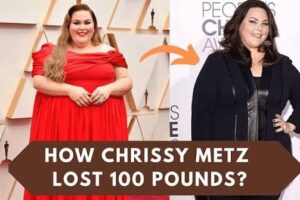
Chrissy Metz Weight Loss :Chrissy Metz’s weight loss journey is one of the most inspiring stories in Hollywood, marked by resilience, emotional healing, sustainable habits, and a strong focus on long-term health rather than quick fixes or societal pressures. The This Is Us actress, who gained widespread fame portraying Kate Pearson—a character grappling with similar body image and weight challenges—has been remarkably candid about her own experiences. As of early 2026, nearly a year after publicly debuting a significant transformation in 2025, she continues to showcase her progress on red carpets and in interviews, emphasizing strength, longevity, and self-compassion.

Early Life and Struggles with Weight and Body Image

Chrissy Metz’s relationship with food and her body began in childhood. In her 2018 memoir This Is Me: Loving the Person You Are Today, she opened up about a traumatic upbringing that included emotional and physical abuse. Her stepfather reportedly weighed her in the kitchen and threatened to lock food cupboards, contributing to deep-seated shame and using food as an emotional coping mechanism.

These experiences led to cycles of emotional eating. Before her breakthrough in acting, Metz weighed significantly higher—at points reportedly over 300 pounds—though she has never fixated on exact numbers. She started her career at a size 12 and, on her manager’s advice, lost 50 pounds before relocating to Los Angeles. However, the pressures of Hollywood, limited roles, and depression caused her to “eat her feelings,” resulting in regaining over 100 pounds.

A pivotal moment came around age 30. On her birthday, she experienced a severe panic attack linked to fears about her health and future. Hospitalized and facing warnings about potential long-term complications from obesity, she decided it was time for change—not for appearance, but for survival and quality of life.

The Initial Major Weight Loss: 100 Pounds in Under 5 Months

In interviews (including with People and other outlets around 2017), Metz described a dramatic early phase where she lost 100 pounds in less than five months. Her approach was straightforward, disciplined, and sustainable:

  • Diet: She followed a balanced 2,000-calorie daily plan centered on nutrient-dense whole foods. This included lean proteins, vegetables, healthy carbs, and portion control. She shifted away from emotional or binge eating, focusing on six smaller meals a day in some accounts to maintain energy and avoid deprivation.
  • Exercise: No intense gym routines at first—just daily 20-minute walks. This low-barrier entry helped build consistency without overwhelming her.
  • Mindset: She addressed emotional triggers head-on, drawing from therapy insights and self-reflection. “I was so gung ho,” she later recalled. The key was ignoring external opinions and committing to daily progress.

This phase proved she could achieve big results through simple, consistent actions rather than extremes.

The 2025 Transformation: Another 100 Pounds and a Focus on Strength

After years of maintaining progress (with some fluctuations), Metz embarked on a renewed phase highlighted in 2025. She publicly debuted a slimmer figure in May 2025 at Variety’s Power of Women event in Nashville, wearing a vibrant pastel dress that turned heads.

In an exclusive April 2025 interview with Daily Mail, she revealed losing another 100 pounds (or achieving/maintaining significant overall loss) through renewed commitment:

  • Exercise Routine: Strength training became central. “I have always enjoyed strength training. I’ve always enjoyed lifting weights… I don’t want to run unless I’m being chased,” she said. She works with a supportive trainer in Nashville, focusing on consistency over intensity—chipping away daily with varied sessions. She also tried Pilates (sharing her first class on Instagram in July 2025), adding flexibility and core work.
  • Diet and Lifestyle: Meal prepping for balanced nutrition, continuing calorie awareness without obsession. Emphasis on enjoyable, sustainable choices to support muscle building and energy.
  • Motivation: Longevity and aging gracefully. She prioritizes staying strong, flexible, and healthy to avoid age-related limitations, not vanity. “I want to have a fit, healthy body. I don’t want to be limited by anything.”

Recent appearances confirm ongoing results:

  • July 2025: Radiant in a blue tie-dye summer dress at the Lifetime Summer Soirée.
  • February 2026: Modeling a tight green off-the-shoulder dress and an all-black outfit in New York City, nearly one year post-reveal.

Addressing Rumors: No Ozempic, No Surgery

Amid speculation, Metz has repeatedly denied using weight-loss drugs like Ozempic/GLP-1 medications or procedures such as gastric bypass or tummy tucks. In April 2025 interviews, she stated she “doesn’t even take Tylenol” and that such options wouldn’t suit her. In an August 2025 People cover story, she described “complicated feelings” about these drugs: helpful for diabetics managing A1C, but a “slippery slope” for those with restrictive eating histories. She stressed personal choice and destigmatization while affirming her natural path.

Key Lessons and Philosophy

Chrissy’s journey teaches holistic transformation:

  • Address the root causes — Emotional eating, trauma, and mindset shifts come before physical changes.
  • Sustainable over extreme — Start small (20-minute walks), build habits, and enjoy movement (weights over forced cardio).
  • Health-focused goals — Strength, energy, and longevity trump scale numbers or “skinniness.”
  • Self-love with action — Embrace your body while making empowering choices.

In her words across interviews: Focus on feeling strong and alive. She mirrors her This Is Us character’s growth, blending real-life inspiration with on-screen representation.

As of March 2026, Chrissy Metz radiates confidence, proving meaningful change is possible at any age through dedication, support, and kindness to oneself. Her story reminds fans: real transformation starts within, fueled by consistency and compassion.

Consult healthcare professionals for personalized guidance—everyone’s path is unique. Stay inspired by her ongoing journey!

Read also

Kelly Osbourne Weight Loss 2026: Her Full Transformation Story, Health Concerns, and What She’s Said

Kelly Osbourne Weight Loss 2026: Her Full Transformation Story, Health Concerns, and What She’s Said

Kelly Osbourne Weight Loss

Kelly Osbourne has spent most of her life in the public eye, and her relationship with her body has rarely been out of the headlines. But in 2026, the conversation around Kelly Osbourne weight loss has reached a new and emotionally charged peak. Following the death of her legendary father, Ozzy Osbourne, in July 2025, Kelly has appeared notably thinner at major public events — including the 2026 Grammy Awards and the 2026 BRIT Awards — prompting an outpouring of concern, speculation, and, unfortunately, a wave of cruel online commentary that she has since addressed head-on.

This article covers the full story: the history of Kelly Osbourne’s weight loss journey, the methods she has openly discussed, the grief that has shaped her appearance in recent months, her public responses to body-shamers, and why the conversation around her body deserves far more sensitivity than it typically receives.


Kelly Osbourne’s Weight Loss History: A Journey Decades in the Making

To understand where Kelly Osbourne is now in 2026, it helps to understand where she has been. Her complicated relationship with weight, body image, and public scrutiny stretches all the way back to her teenage years on The Osbournes, the reality TV series that made her family a household name in the early 2000s.

From the very beginning of her public life, Kelly faced brutal commentary about her body. She has spoken candidly about being body-shamed by industry insiders from the start of her career. In one particularly painful memory she has recalled publicly, a talent agency executive told her she was “too fat for TV” and would only have a future in the industry if she lost weight. This kind of relentless pressure from an early age had a lasting impact on her mental health and self-image.

“I was called fat and ugly in the press almost my entire life,” Kelly told Shape magazine. “It broke my heart and ruined my self-esteem.” She has linked that experience directly to her struggles with addiction, having entered rehab multiple times throughout her twenties.

Despite this toxic environment, Kelly began to take control of her health around 2009, adopting a more disciplined approach to diet and exercise. She credited weight training, a balanced diet, and — crucially — a shift in mindset as the foundation of her initial transformation. “Becoming healthy doesn’t start with a diet,” she once told Good Morning America. “It starts with you mentally.”


The Gastric Sleeve Surgery: A Turning Point in 2018

One of the most significant chapters in Kelly Osbourne’s weight loss story came in 2018, when she underwent gastric sleeve surgery — a procedure that removes a portion of the stomach to restrict food intake and reduce appetite. Kelly has been open about this decision, describing the surgery as a tool that gave her a “fighting chance” rather than a quick fix.

She has been clear that surgery alone was not the answer and that it required at least a year of preparatory therapy to get her mindset right before going under the knife. By 2020, she had revealed that the procedure had resulted in a loss of approximately 85 pounds — a result that she attributed to the surgery combined with sustained lifestyle changes.

This transparency was praised by many fans and health advocates who appreciated her refusal to pretend the transformation was purely the result of clean eating and gym sessions. In Hollywood, where celebrities routinely deny any surgical intervention, Kelly’s candor was refreshing.


Pregnancy Weight Gain and Post-Baby Weight Loss: 2022–2024

In late 2022, Kelly Osbourne gave birth to her son, Sidney. During her pregnancy, she gained approximately 100 pounds and was also diagnosed with gestational diabetes — a condition that she has said contributed to rapid weight gain despite not eating excessively. The post-pregnancy period was physically and emotionally demanding.

“I was on a mission after having the baby,” she told E! News. “I went a little bit too far with dieting, but I stopped.” She adopted a strict low-sugar, low-carb diet to help manage her gestational diabetes and threw herself back into physical activity. By April 2024, she had shed around 85 pounds since giving birth — essentially returning to where she had been before her pregnancy.

Throughout this period, Ozempic speculation followed her relentlessly. The GLP-1 weight loss medication had become a dominant cultural conversation by 2022 and 2023, and as celebrity after celebrity appeared visibly slimmer, Kelly found herself in the crosshairs of those rumors. She denied them firmly and repeatedly. “I know everybody thinks I took Ozempic,” she told Extra. “I did not take Ozempic. I don’t know where that came from. My mom took Ozempic.”

The distinction mattered: Sharon Osbourne, Kelly’s mother, had publicly discussed her own use of the medication — and has since expressed some regret about how dramatically it altered her appearance.


2025–2026: Grief, Loss, and a Dramatic Transformation

Everything changed on July 22, 2025, when rock legend Ozzy Osbourne died at the age of 76 after a long battle with health issues. For Kelly, the loss was utterly devastating. Ozzy was not just her father — he was a constant presence in her life, her family’s anchor, and a figure whose larger-than-life personality had defined her entire upbringing.

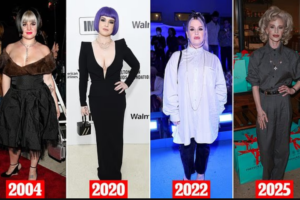
In the months following his death, Kelly began appearing visibly thinner. By late 2025 and into early 2026, the change in her appearance was dramatic enough to generate widespread media coverage. At the 2026 Grammy Awards in February, where she joined other stars to honor her father during the In Memoriam segment, photographs of her notably slender frame circulated widely online. Fans expressed alarm. Comments flooded her social media pages — some concerned, many cruel.

At the Grammys, when asked how she was coping, Kelly dropped the polished celebrity script entirely. “I won’t lie,” she said. “I won’t be one of those people that say I’m fine because I’m not.”

Sharon Osbourne offered context that resonated with many people who have experienced grief: she noted that Kelly had simply been unable to eat properly since losing her father. Bereavement-related weight loss is a recognized and well-documented medical phenomenon, and Sharon’s statement aligned with what many grief counselors and medical professionals have observed in people navigating profound loss.


The 2026 BRIT Awards: A Poignant and Scrutinized Appearance

On February 28, 2026, Kelly attended the 2026 BRIT Awards in Manchester alongside her mother Sharon to accept a posthumous Lifetime Achievement Award on behalf of Ozzy Osbourne. It was an emotionally significant occasion — and once again, Kelly’s appearance dominated the conversation.

She arrived in a sleek, floor-length black velvet gown with a corseted bodice and a black feathered bolero jacket, accessorized with necklaces including a cross and an “O” charm — a tribute to her late father. Her shorter golden-blonde bob was styled sharply by hairstylist Jay Pinder. By any measure, she looked composed, stylish, and dignified at one of the most difficult public moments of her life.

But the response online was not kind. Photos circulated rapidly, with commenters describing her as “frail,” “gaunt,” and far too thin. One particularly vile comment compared her appearance to a deceased person. Others invoked Ozempic again, or speculated about eating disorders. The body-shaming was immediate, intense, and deeply personal given the circumstances.


Kelly Osbourne Fires Back at Body-Shaming Critics

Kelly Osbourne has not been silent in the face of this scrutiny. In fact, she has spoken out repeatedly and with striking emotional honesty about how hurtful and inappropriate the commentary has been.

In December 2025, she posted a video response to social media in which she addressed her critics directly. “To the people who keep thinking they’re being funny and mean by writing comments like ‘Are you ill?’ or ‘Get off Ozempic’ or ‘You don’t look right’ — my dad just died, and I’m doing the best that I can, and the only thing I have to live for right now is my family,” she said. She went on to express frustration that critics expected her to appear perfectly healthy and composed while actively grieving.

After the 2026 BRIT Awards, she returned to Instagram to post a powerful statement: “There is a special kind of cruelty in harming someone who is clearly going through something. Kicking me while I’m down, doubting my pain, spreading my struggles as gossip, and turning your back when I need support and love most.”

At the Grammys, when pushed by interviewers, she asked plainly: “What do you expect from me? What do you expect me to look like right now? The fact that I’m getting out of bed and facing my life and trying to be more than enough — I should be commended for that.”

She also addressed those who claimed she looked “ill.” “Well, I am ill right now,” she said. “My life is completely flipped upside down.” And in a moment that struck many observers as particularly powerful, she pointed out that many of the most hurtful comments were coming from other women — something she described as “devastating.”


The Ozempic Speculation: Setting the Record Straight

Despite Kelly’s repeated denials, Ozempic speculation has continued to follow her into 2026. Friends and acquaintances who have spoken publicly about her situation have confirmed that her personality and demeanor remain intact, even if her appearance has changed. “Once you start talking to her, her appearance goes away,” one source noted, suggesting that the weight loss reads as more extreme in photographs than in person.

What is clear is that Kelly’s 2026 weight loss is the product of multiple converging factors: the long-term structural changes brought about by her 2018 gastric sleeve surgery, the disciplined low-sugar, low-carb diet she adopted after her pregnancy, intense workout routines, and — significantly — the physical and emotional toll of grief.

Grief-related weight loss is not unusual or surprising. The loss of appetite, disrupted sleep, elevated cortisol levels, and profound emotional exhaustion that accompany bereavement can all contribute to significant physical changes. In Kelly’s case, the loss was not just personal but also intensely public — she has had to grieve in front of cameras at major events like the Grammys and the BRIT Awards while simultaneously fielding commentary about how her grief looks on her body.


The Bigger Conversation: Body Scrutiny, Grief, and Celebrity Culture

Kelly Osbourne’s 2026 weight loss story is, at its core, about something far bigger than diet plans and before-and-after photographs. It is a story about what it means to be a woman in the public eye, to carry grief while being watched, and to have your body treated as public property even when you are at your most vulnerable.

The internet’s reflex to speculate, diagnose, and critique — often from behind the anonymity of a comment section — reflects a cultural discomfort with both female bodies and visible suffering. When a woman loses weight visibly in the wake of profound personal loss, the compassionate response is empathy, not scrutiny. Yet the headlines, memes, and comment threads tell a different story.

Kelly has spent decades fighting battles around her body image, substance abuse, mental health, and public perception. She has done so with more honesty than many celebrities would dare to offer. In 2026, as she navigates life without the father she adored, she deserves space to grieve — and to look however grief makes her look — without the added burden of public judgment.


What’s Next for Kelly Osbourne

Despite the difficulty of recent months, Kelly Osbourne has shown every sign of resilience. She is raising her son Sidney, maintaining her presence in the media and entertainment world, and continuing to speak out when she feels she must. Friends who know her best have described her as fundamentally herself — warm, sharp-tongued, fiercely loyal — even as her appearance has prompted concern.

The conversation around Kelly Osbourne’s weight loss in 2026 will likely continue for as long as she remains in the public eye. But perhaps the more important conversation is the one she has been prompting all along: about the cruelty of body-shaming, the very real physical effects of grief, and the right of a person — even a celebrity — to move through loss without being judged for how it looks on the outside.


Disclaimer: This article is based on publicly available information and Kelly Osbourne’s own statements. It does not constitute medical advice. If you or someone you know is struggling with grief, eating disorders, or body image issues, please seek support from a qualified mental health professional.

Read also

Prostavive Official Website

Sandra Denton Weight Loss Journey: Diet, Workout & 2026 Glow-Up

Sandra Denton (Pepa) Weight Loss Sandra Denton, better known as Pepa from the legendary hip-hop duo Salt-N-Pepa, has long been a symbol of confidence, energy, and unapologetic style in the music industry. With hits like “Push It,” “Shoop,” and “Whatta Man,” she helped pioneer female rap and body positivity in the late ’80s and ’90s. Over the decades, fans have watched her evolve—not just musically, but physically. Discussions about Sandra Denton weight loss frequently trend online, especially after her recent red carpet appearances where she appeared slimmer, more toned, and radiantly youthful at over 60 years old.

In recent years, including 2025 sightings at events like the American Music Awards, Pepa’s transformed physique has sparked admiration, speculation, and headlines calling her “unrecognizable” in the best way. While she hasn’t shared a dramatic, step-by-step public weight loss story recently, her approach draws from consistent habits she’s discussed in interviews: balanced eating changes, regular workouts, and a mindset focused on feeling good rather than just looking a certain way.

This comprehensive guide explores Sandra Denton’s fitness and weight loss journey, her tips for sustainable change, and how anyone can apply similar principles today.

Who Is Sandra Denton (Pepa)?

Born Sandra Jacqueline Denton on November 9, 1964 (or 1969, per varying sources), in Kingston, Jamaica, Pepa moved to the U.S. as a child. She met Cheryl “Salt” James in college, and with DJ Spinderella, they formed Salt-N-Pepa in 1985. The group broke barriers as the first female rap act to achieve platinum status and earn a Grammy.

Pepa’s bold personality shone through in lyrics celebrating female empowerment and sensuality. Offstage, she’s authored the memoir Let’s Talk About Pep (2008), appeared on reality TV, and remained active in music and philanthropy. At 61 in 2026, she’s still performing, inducting into the Rock and Roll Hall of Fame in 2025 as part of Salt-N-Pepa, and inspiring fans with her vitality.

Pepa’s Weight Fluctuations Over the Years

Like many in the spotlight, Pepa’s body has changed through fame’s demands, life events, and personal choices.

  • Peak Fame Era (1980s-1990s): Salt-N-Pepa maintained fit figures through diets and trainers. In a 1994 interview, they prepared for an album by hiring trainers and creating a workout video, Pushin’ It With Salt ‘N’ Pepa.
  • Post-Fame Adjustments: After the group’s height, Pepa gained weight, as shared in a 2020 BlackDoctor.org interview. She addressed extra pounds from life stresses and fame’s aftermath.
  • Recent Transformations: By the late 2010s and into the 2020s, Pepa slimmed down noticeably. Fans noted her toned look on red carpets and social media. In 2025, her AMA appearance in a sleek black mini-dress highlighted lean legs and a glowing complexion, prompting comments like “aging backwards” and “still looking good.”

Some changes tie to cosmetic procedures (e.g., a 2020 lawsuit over botched butt surgeries post-car accident), but her slimmer frame appears linked more to lifestyle than surgery alone. Fans on platforms like Facebook and Instagram have expressed concern (“Peppa has lost a lot of weight, pray everything is well”) alongside praise.

Sandra Denton’s Weight Loss Approach: What She’s Shared

Pepa emphasizes sustainable, feel-good changes over extremes.

In her 2020 interview:

  • Diet Changes: She was “on a diet” but honest about struggles. Her weakness? Vanilla ice cream with hot fudge and nuts. She shifted eating habits for lightness and energy, not restriction.
  • Exercise Commitment: Training regularly, she teased a “Push It” workout line inspired by the hit song. Workouts were hard, but results motivated her.
  • Mindset Shift: “It’s hard but I feel better, lighter, more energy.” She envied those who love exercise but pushed through for benefits.

Her focus aligns with wellness trends: consistency over perfection, energy over vanity.

Groupmate Salt (Cheryl James) echoed similar in 2025: 30 minutes of cardio (treadmill at incline), alternating strength days (arms, chest, legs), and eating right “to feel good” and stay healthy long-term.

Key Principles from Pepa’s Journey

  1. Sustainable Calorie Control and Habit Changes Pepa’s eating shift suggests portion awareness and reducing indulgences while allowing treats. No extreme diets—just better choices for energy.
  2. Consistent Cardio and Strength Training Cardio burns calories; strength builds muscle (boosting metabolism). Pepa’s training hints at full-body routines. Aim for 150+ minutes moderate cardio weekly plus resistance 2-3 times.
  3. Motivation Beyond Looks Pepa and Salt prioritize feeling good, health, and longevity. This combats burnout.
  4. Age-Defying Wellness In her 60s, Pepa’s glow comes from movement, nutrition, and self-care—proving it’s never too late.

How to Apply Pepa’s Principles to Your Own Weight Loss

Want results like Pepa’s? Build a plan around consistency.

Step 1: Set Realistic Goals Aim for 1-2 pounds weekly via 500-1000 calorie deficit daily. Track progress with photos/measurements, not just scale.

Step 2: Revamp Nutrition

  • Focus on whole foods: veggies, lean proteins, whole grains, healthy fats.
  • Allow treats mindfully (Pepa’s ice cream philosophy).
  • Hydrate and eat balanced meals to curb cravings.

Sample Daily Meal Ideas Inspired by Balanced Approaches:

  • Breakfast: Oatmeal with berries and nuts.
  • Lunch: Grilled chicken salad with veggies.
  • Snack: Yogurt or fruit.
  • Dinner: Fish, quinoa, steamed greens.
  • Treat: Small portion of favorite dessert occasionally.

Step 3: Build a Workout Routine

  • Cardio: 30 minutes brisk walking, treadmill incline, or dancing (Pepa-style hip-hop vibes).
  • Strength: Bodyweight or weights—squats, push-ups, lunges. Alternate days.
  • Fun element: Blast Salt-N-Pepa for motivation!

Step 4: Prioritize Recovery and Mindset Sleep 7-9 hours, manage stress, celebrate non-scale wins (energy, confidence).

Common Pitfalls to Avoid:

  • Crash diets (unsustainable).
  • Overtraining without rest.
  • Ignoring mental health.

Why Pepa’s Story Resonates in 2026

In an era of quick fixes and filtered perfection, Pepa’s journey reminds us transformation comes from persistence. At an age when many slow down, she’s active, performing, and glowing—proof wellness pays off.

Fans continue celebrating her on Instagram (@darealpepa), where she shares life glimpses. Her 2025 red carpet moments sparked joy, with comments praising her radiance.

Final Thoughts

Sandra Denton’s weight loss isn’t about a single secret—it’s disciplined eating, regular movement, and focusing on feeling strong. Whether inspiring hip-hop fans or anyone seeking change, Pepa shows age is no barrier to vitality.

Ready to “push it”? Start small today. As Pepa proves, consistency and self-love create the best results.

Read also

Prostavive official Website

Jacob Batalon Weight Loss Journey: Lost 112 lbs in 2 Years

Jacob Batalon Weight Loss

Jacob Batalon Weight Loss :Jacob Batalon, the beloved actor who brought Ned Leeds to life as Peter Parker’s loyal best friend in the Marvel Cinematic Universe’s Spider-Man trilogy, has captured hearts not only through his on-screen charisma but also through his extraordinary weight loss journey. Over the course of about two years, starting toward the end of 2019, Jacob shed an impressive 112 pounds (approximately 51 kg), a transformation that stunned fans when he appeared slimmer and more energized during the press tour for Spider-Man: No Way Home in late 2020 and beyond.

As of recent reflections in 2024 and even mentions into 2025–2026, Jacob has maintained his healthier physique and mindset, often emphasizing that “health is wealth.” His story stands out in celebrity weight loss narratives because it wasn’t driven by a movie role requirement or extreme measures— it was a personal wake-up call for better quality of life, sustained energy, and self-commitment.

This in-depth guide explores every aspect of Jacob Batalon weight loss, from the exact triggers and timeline to his detailed workout routine, plant-based diet changes, mental shifts, and practical lessons anyone can apply. If you’re searching for real, sustainable inspiration amid countless quick-fix stories, Jacob’s journey delivers.

The Turning Point: Why Jacob Batalon Decided to Change

Jacob’s transformation didn’t begin with a dramatic “before” photo or public announcement. It started quietly in late 2019, during a demanding period in his career.

In his candid 2021 interview with Men’s Health, Jacob described feeling constantly exhausted on set—even when he wasn’t doing anything physically intense. “Even when I wasn’t doing anything physical, I found myself getting sleepy at work and it was because of all the fat food I was eating,” he explained. Simple tasks became challenging: he struggled to climb stairs without getting winded, and one day, catching a glimpse of himself shirtless, he felt shocked. “It was ridiculous. I could not believe I let myself get this far. That’s what sort of started it all.”

This moment of raw self-awareness became the catalyst. Unlike many transformations tied to film preparations, Jacob’s motivation was deeply personal: reclaiming energy, breaking old habits of inconsistency, and proving to himself he could commit long-term.

How Much Weight Did Jacob Batalon Lose—and Over What Timeframe?

Reliable sources, including his Men’s Health feature and later reflections in People, E! News, and SYFY Wire, confirm Jacob lost 112 pounds over roughly two years (late 2019 through 2021, with major visible changes by late 2020).

  • Some outlets round it to 100+ pounds or 100 pounds for simplicity in headlines.
  • The pace averaged 1–2 pounds per week—a healthy, sustainable rate recommended by experts to preserve muscle and avoid rebound gain.
  • He has kept much of it off, as evidenced by his appearances in projects like Reginald the Vampire and interviews as recently as 2024, where he discussed the lasting mental benefits.

This wasn’t a crash diet or surgery; it was consistent lifestyle overhaul during the unique challenges of the global pandemic.

Jacob Batalon’s Workout Routine: Consistency Over Intensity

Jacob committed to training six days a week, with sessions lasting about 90 minutes. He worked with a trainer (often virtually via FaceTime during lockdowns), blending strength and cardio for balanced fat loss and muscle preservation.

Breakdown of a typical session (per Men’s Health and his own descriptions):

  • First 60 minutes: Strength training / Weight lifting — Focused on compound movements to build muscle and boost metabolism. Examples he highlighted include rotational wall tosses (for core and obliques), emphasizing controlled, full-body work.
  • Last 30 minutes: Cardio — Steady-state or moderate-intensity to burn calories without excessive strain.

Key principles:

  • No rest days (or only light active recovery on the seventh).
  • Progressive overload: Gradually increasing weights/reps to keep challenging the body.
  • Functional focus: Improved stamina for long filming days, not just aesthetics.

This routine helped him reshape his body while gaining energy—crucial for an actor with unpredictable schedules.

The Diet That Powered Jacob Batalon’s Transformation

A major pillar was shifting to a plant-based diet, inspired partly by his girlfriend at the time. He moved away from heavy, processed, high-fat foods that left him lethargic.

Core elements:

  • Emphasis on vegetables, plant proteins (beans, lentils, tofu, tempeh), whole grains, fruits, and healthy fats (avocados, nuts).
  • Portion control and mindful eating—no more mindless on-set snacking.
  • Nutrient-dense meals for sustained energy and recovery.
  • Collaboration with nutrition guidance at points to refine macros.

He described feeling a clear difference: “I can feel the difference between eating a lot of meat and eating plant-based stuff and that’s really helped me, as well.”

Avoided extremes—no fasting gimmicks or cutting entire food groups unnecessarily. It was about quality calories, fiber for satiety, and anti-inflammatory benefits from plants.

The Mental and Emotional Transformation

Jacob has repeatedly said the physical changes were secondary to the mindset shift. In a 2024 E! News interview, he reflected: “I’ve learned that I’m definitely able to commit. That was something that hindered me before with my weight and with work.”

On-set habits changed—no more snacking out of boredom or fatigue, then crashing in trailers. He prioritized professionalism and health, noting it spilled into better focus and positivity.

The journey built discipline that enhanced his career and personal life. “Health is wealth” became his mantra, underscoring how feeling strong mentally and physically reshaped his perspective.

Before and After: Visual Impact and Fan Reactions

Fans first noticed the dramatic shift during Spider-Man: No Way Home promotions. Jacob appeared leaner, more defined, and vibrant— a stark contrast to earlier MCU appearances.

Public reactions ranged from awe to inspiration, with many citing his story as proof that sustainable changes work without extremes. Social media and outlets like TikTok and Instagram continue sharing before-and-after clips, keeping the motivation alive years later.

Lessons from Jacob Batalon’s Weight Loss Journey Anyone Can Apply

Jacob’s approach offers timeless, realistic takeaways:

  1. Self-honesty starts everything — Recognize when habits harm your quality of life.
  2. Consistency beats perfection — Six days a week for 90 minutes adds up without burnout.
  3. Nutrition is king — Plant-based or veggie-forward eating with portions supports energy and results.
  4. Mindset matters most — Commitment builds confidence beyond the scale.
  5. Sustainable pace wins — 1–2 lbs/week preserves health and prevents yo-yo effects.
  6. Accountability helps — Trainers (even virtual) and supportive relationships accelerate progress.
  7. Health improves everything — Better energy, focus, and outlook benefit work, relationships, and joy.

Why Jacob Batalon’s Story Continues to Inspire in 2026

Years after the peak transformation, Jacob’s maintained results and ongoing reflections prove real change lasts. In a world of filtered quick fixes, his honest story—no surgery, no magic pills, just effort—resonates deeply.

Whether you’re a Marvel fan, facing your own health hurdles, or seeking motivation, Jacob Batalon reminds us: small, steady choices compound into life-altering results. Health truly is wealth.

Read also

Charles Barkley Weight Loss: The NBA Legend’s Inspiring Transformation Journey

Joyce Vance Weight Loss Story: Resilience, Routine, and Redefining Health in Your 60s

joyce vance weight loss

Joyce Vance Weight Loss Story :Joyce Vance, the well-known former U.S. Attorney for the Northern District of Alabama, MSNBC legal analyst, law professor, and Substack writer (Civil Discourse), has reportedly undergone a significant weight loss transformation in recent years, particularly noted around 2023–2024 and into 2025.

Public discussions and online articles suggest she achieved a substantial reduction, with estimates varying somewhat across sources:

  • Some accounts describe a loss of approximately 50–60 pounds by late 2023, which she appears to have maintained through 2024.
  • Other reports refer to a more dramatic figure of around 92 pounds, bringing her from over 200 pounds down to roughly 150 pounds in the 2022–2024/2025 timeframe.

These numbers come from various commentary pieces and lifestyle write-ups inspired by her visible change, especially as she frequently appears on television.

What We Know About Her Approach

From the available coverage, her journey reportedly involved a combination of factors rather than a single “secret”:

  • Medication assistance: Several sources point to the use of a GLP-1 agonist like Wegovy (semaglutide), which became widely discussed for weight management during that period. It is often described as having “opened the door” by helping control appetite and supporting metabolic changes.
  • Lifestyle habits: Beyond medication, emphasis is placed on sustainable routines such as:
    • Simple, healthier eating (focusing on home-cooked meals, vegetables, and balanced nutrition).
    • Regular physical activity, including daily movement or exercise.
  • These elements together reportedly helped her achieve and maintain the results, even as someone in her 60s balancing a demanding career.

Her story has resonated with many because it highlights realistic, multi-factor weight management in mid-life, rather than extreme diets or quick fixes. Some people have even shared experiences trying to adopt similar habits.

Note that Joyce Vance herself has not publicly detailed an extensive personal account of her weight loss journey in major interviews or her own platforms (based on available information). Much of the discussion stems from observer commentary, her on-air appearances showing a slimmer figure, and third-party analyses.

Her Instagram (@joyce_white_vance) and Substack focus more on family life (including her famous chickens), law, politics, knitting, and current events rather than personal fitness transformations. The change has been noticeable to viewers of her MSNBC segments and podcast appearances (#SistersInLaw, Cafe Insider), contributing to broader conversations about health, aging, and accessible tools for change.

Overall, Joyce Vance’s reported weight loss serves as an encouraging example of how combining medical support with consistent lifestyle adjustments can lead to meaningful, lasting results—even amid a high-profile professional life.

Read also

Charles Barkley Weight Loss: The NBA Legend’s Inspiring Transformation Journey

Citrus Burn Supplement Reviews

Citrus Burn is a popular natural weight loss supplement gaining attention in 2026 for its focus on supporting metabolism through citrus-derived ingredients. This herbal metabolism booster aims to help users overcome stubborn fat, especially for those feeling stuck despite diet and exercise. Marketed as a gentle, stimulant-free formula, Citrus Burn draws inspiration from citrus peels’ bioactive compounds like flavonoids and polyphenols to promote thermogenesis (the body’s natural calorie-burning process) and fat oxidation. It’s positioned as a complementary aid for healthy weight management, emphasizing sustainable energy, appetite control, and overall wellness rather than quick fixes or harsh stimulants.

Manufactured with high-quality, plant-based ingredients, Citrus Burn is often described as all-natural and free from artificial additives. It’s available in capsule form, typically with 30 servings per bottle, and sold through official channels to ensure authenticity. The supplement targets adults over 35 experiencing metabolic slowdowns, helping restore the body’s response to fat burning without jitters, crashes, or extreme measures. Backed by interest in natural thermogenic support, Citrus Burn stands out for its citrus-focused approach to boosting daily vitality and supporting long-term body composition goals.

Many users appreciate its compatibility with balanced nutrition and active lifestyles, making it a go-to natural weight loss aid for gradual, realistic progress.

Citrus Burn works primarily by activating thermogenesis and enhancing the body’s natural fat-utilization processes, allowing stored fat to serve as an energy source even during rest. Key to this is compounds from Seville orange peel (such as p-synephrine), which stimulate metabolic activity to encourage calorie burning without relying on heavy stimulants. This helps address “thermogenic resistance,” where repeated dieting can make the body defend fat stores more aggressively, leading to plateaus.

The formula supports appetite awareness and mindful eating by promoting fullness and reducing cravings, often through synergistic botanicals that balance blood sugar and sustain energy levels. Unlike crash-inducing products, Citrus Burn aims for steady metabolic communication, improving how the body responds to food and exercise for better fat oxidation over time.

Additionally, it contributes to consistent daily energy, helping users feel more active and motivated without afternoon slumps. By complementing healthy habits, Citrus Burn fosters a more efficient metabolism, making weight management feel achievable and less stressful in the long run.

Citrus Burn helps with weight loss through a blend of natural ingredients that target metabolism, thermogenesis, fat burning, and appetite control. Seville Orange Peel (rich in p-synephrine) is a standout, widely studied for stimulating thermogenesis to boost calorie burn and encourage the use of stored fat for energy—ideal for those with slow or resistant metabolisms. This citrus extract supports fat oxidation without harsh side effects, helping break through weight loss plateaus naturally.

Complementary botanicals like Spanish Red Apple Vinegar promote satiety and mindful portion control to curb emotional or unnecessary snacking. Andalusian Red Pepper adds post-meal calorie-burning support, enhancing the thermogenic effect after eating. Other plant-based additions in various formulations may include green tea extract or similar antioxidants for sustained energy, blood sugar balance, and reduced cravings, creating a synergistic effect for overall metabolic health.

Together, these ingredients work to restore metabolic efficiency, increase fat utilization even at rest, and provide steady vitality. This makes Citrus Burn an effective herbal weight loss supplement for gradual, sustainable results when paired with balanced nutrition and movement, focusing on energy enhancement and natural fat-burning support rather than extreme restriction.

Citrus Burn Frequently Asked Questions

Is Citrus Burn safe to use? Citrus Burn is formulated with natural, plant-based ingredients and is generally considered safe for healthy adults when taken as directed. It avoids heavy stimulants, reducing the risk of jitters or crashes. No widespread side effects are commonly reported, but it’s always wise to consult a healthcare provider before starting, especially if you have pre-existing conditions, are pregnant, nursing, or taking medications.

How long does it take to see results with Citrus Burn? Most users notice improvements in energy levels, reduced cravings, and better appetite control within 1-2 weeks of consistent use. Visible weight loss or body composition changes often appear in 4-8 weeks, depending on diet, exercise, age, and individual metabolism. Results are gradual and sustainable, so patience and regularity yield the best outcomes for natural weight loss.

Are there any side effects? Citrus Burn is designed to be gentle and stimulant-free, with minimal reported side effects in user feedback. Some may experience mild digestive adjustments initially, but these typically subside. Avoid exceeding the recommended dose, and discontinue if any unusual reactions occur—consult a doctor for personalized advice.

Can I take Citrus Burn with other supplements or medications? It usually pairs well with most supplements, but avoid combining with products containing high amounts of similar thermogenic ingredients (like synephrine sources) to prevent overload. Always check with a healthcare professional if you’re on medications, particularly for blood pressure, heart conditions, or metabolism-related issues.

Does Citrus Burn require diet and exercise? While Citrus Burn supports metabolism and fat burning on its own, it’s most effective when combined with a balanced diet and regular physical activity. It enhances your efforts by boosting energy and curbing cravings, making healthy habits easier to maintain for long-term weight loss success.

Where is the best place to buy Citrus Burn? Purchase directly from the official website to ensure you get the authentic product, access special discounts, and qualify for any money-back guarantees. Avoid third-party sellers like unauthorized Amazon or eBay listings, as they may offer counterfeits or lack customer support.

Benefits of Citrus Burn

  • Boosts natural thermogenesis for enhanced calorie burning.
  • Supports fat utilization and metabolism even during rest.
  • Helps curb cravings and promotes mindful eating habits.
  • Provides steady, jitter-free energy throughout the day.
  • Aids in breaking through weight loss plateaus sustainably.
  • Contributes to better appetite control and portion awareness.
  • Enhances overall metabolic efficiency and vitality.
  • Supports blood sugar balance for reduced energy crashes.
  • Complements healthy diet and exercise routines effectively.
  • Offers a natural, stimulant-free approach to weight management.

Does Citrus Burn Have a Money-Back Guarantee? Many sources indicate Citrus Burn comes with a satisfaction guarantee, often 60-180 days depending on the batch or promotion. Check the official website for the current policy—typically, you can request a full refund if unsatisfied within the trial period, even with used bottles in some cases. This allows a risk-free trial to see if the natural metabolism booster works for your body.

Citrus Burn Reviews

Priya S. – Mumbai, India After turning 40, my metabolism seemed to slow down no matter how much I exercised or watched my diet—I felt constantly tired and frustrated with no progress on the scale. I started Citrus Burn hoping for a gentle push, and within two weeks, my energy picked up noticeably without any jitters. Cravings for sweets decreased, and by the end of the first month, I lost 4-5 kg steadily while feeling more active. This herbal weight loss supplement has made healthy living sustainable for me—no extreme changes needed. Highly recommend if you’re dealing with stubborn fat and low energy!

Ananya K. – Delhi, India As a busy working mom, finding time for intense workouts was tough, and my weight kept creeping up despite trying various diets. Citrus Burn caught my eye because it’s natural and focuses on metabolism without stimulants. After consistent use for six weeks, I noticed better appetite control—I wasn’t snacking mindlessly anymore—and my clothes fit looser with about 6 kg gone. The steady energy boost helped me stay motivated for evening walks too. It’s been a game-changer for natural weight loss without feeling deprived or exhausted.

Rahul V. – Bangalore, India In my mid-30s, I hit a wall with weight gain around the midsection despite gym sessions. Citrus Burn’s citrus-based formula appealed to me for its science on thermogenesis. Starting it alongside my routine, I felt more energized during workouts, and my recovery improved—no crashes. Over two months, I dropped 7-8 kg, mostly fat, with visible toning. The reduced cravings made sticking to meals easier. If you’re looking for an effective metabolism booster to support your efforts, this supplement delivers real, noticeable results without hype.

Charles Barkley Weight Loss: The NBA Legend’s Inspiring Transformation Journey

Charles Barkley Weight Loss :Charles Barkley, the legendary NBA Hall of Famer and beloved basketball analyst, has captured headlines not just for his outspoken commentary on TNT’s “Inside the NBA,” but also for his remarkable weight loss transformation. The 11-time NBA All-Star’s journey to better health serves as an inspiration to millions struggling with their own weight management goals.

Who Is Charles Barkley?

Before diving into his weight loss story, it’s important to understand the man behind the transformation. Charles Wade Barkley, born February 20, 1963, in Leeds, Alabama, became one of basketball’s most dominant power forwards despite standing at 6’6″ – shorter than typical players in his position. His illustrious 16-year NBA career included stints with the Philadelphia 76ers, Phoenix Suns, and Houston Rockets, earning him the 1993 NBA MVP award and a spot on the NBA’s 50th and 75th Anniversary Teams.

After retiring in 2000, Barkley transitioned seamlessly into broadcasting, becoming one of the most recognizable voices in sports media. However, like many retired athletes, he faced the challenge of maintaining his health and fitness without the rigorous training demands of professional basketball.

The Weight Struggle: From Court to Couch

Throughout his playing career, Barkley maintained a playing weight of around 250-260 pounds, which was appropriate for his muscular, powerful frame. His physical style of play required strength and bulk, making him one of the most fearsome rebounders and post players of his generation despite his relative lack of height.

However, retirement brought significant changes. Without daily practices, games, and the intense physical demands of professional basketball, Barkley’s weight began to climb. By his own admission, he reached over 350 pounds at his heaviest, a concerning number that put him at serious health risk. The weight gain is a common challenge for retired athletes whose metabolisms and lifestyles undergo dramatic changes after their playing days end.

The Wake-Up Call: Health Concerns and Motivation

Charles Barkley’s decision to lose weight wasn’t purely cosmetic. The basketball legend faced serious health concerns that served as a powerful motivator for change. Reports indicated he was dealing with issues related to obesity, including the risk of diabetes, heart disease, and joint problems – conditions that are particularly concerning for someone who had already subjected his body to the physical toll of professional basketball.

In various interviews, Barkley has been candid about his struggles, acknowledging that his eating habits spiraled out of control after retirement. He admitted to consuming large portions, indulging in unhealthy foods, and living a sedentary lifestyle compared to his playing days. This honesty resonated with many Americans facing similar challenges.

The turning point came when Barkley recognized that his weight was not just affecting his physical health but also his quality of life and ability to enjoy his post-basketball career to the fullest.

Charles Barkley’s Weight Loss Strategy

Medical Intervention and Professional Guidance

Unlike some celebrity weight loss stories that rely solely on extreme diets or questionable supplements, Barkley took a comprehensive approach to his transformation. He worked with medical professionals and nutritionists to develop a sustainable plan tailored to his specific needs and health conditions.

Reports suggest that Barkley may have used weight loss medication as part of his journey, specifically Mounjaro (tirzepatide), a prescription medication approved for weight management. This class of medications, which includes similar drugs like Ozempic and Wegovy, has gained significant attention for their effectiveness in helping people lose substantial amounts of weight when combined with lifestyle changes.

It’s important to note that these medications are not magic pills. They work by helping to regulate appetite and blood sugar levels, but they’re most effective when combined with proper nutrition and exercise – exactly the approach Barkley adopted.

Dietary Changes: Rethinking Nutrition

A crucial component of Barkley’s weight loss was overhauling his diet. While specific details of his meal plan haven’t been publicly disclosed in great detail, the fundamental principles likely included:

Portion Control: Learning to eat appropriate serving sizes rather than the large portions he’d become accustomed to consuming.

Reduced Caloric Intake: Creating a calorie deficit by consuming fewer calories than his body burned daily.

Healthier Food Choices: Replacing processed foods, fast food, and sugary beverages with whole foods, lean proteins, vegetables, and fruits.

Meal Planning: Developing structured eating patterns rather than grazing or eating impulsively throughout the day.

Limiting Alcohol: Reducing consumption of alcoholic beverages, which can contribute significantly to weight gain.

For anyone following in Barkley’s footsteps, consulting with a registered dietitian can help create a personalized nutrition plan that addresses individual needs, preferences, and health conditions.

Exercise and Physical Activity

While diet played the primary role in Barkley’s weight loss, physical activity was undoubtedly part of the equation. Even moderate exercise provides numerous benefits beyond calorie burning, including improved cardiovascular health, better mood, increased energy, and maintenance of muscle mass during weight loss.

Barkley’s exercise routine likely included a combination of cardiovascular activities and strength training, adapted to his age and physical condition. Former professional athletes often face the challenge of joint issues and previous injuries, so his workout program would have been designed to be effective while minimizing the risk of injury.

Activities such as walking, swimming, cycling, and low-impact strength training are excellent options for people losing significant amounts of weight, as they provide benefits without excessive stress on joints.

The Results: Barkley’s Transformation

Charles Barkley’s dedication to his weight loss journey has yielded impressive results. While exact numbers vary depending on the source and timing, reports indicate he has lost approximately 60 pounds or more from his peak weight, bringing him down to a much healthier range.

The transformation has been visible to fans who watch him on “Inside the NBA,” where he appears noticeably slimmer and more energetic. Barkley himself has spoken about feeling better, having more energy, and experiencing improved overall health since losing weight.

Beyond the numbers on the scale, Barkley’s weight loss has likely resulted in numerous health benefits, including reduced strain on his joints, improved cardiovascular function, better blood sugar control, and decreased risk of obesity-related diseases.

Lessons from Charles Barkley’s Weight Loss Journey

Honesty and Accountability

One of the most admirable aspects of Barkley’s journey is his willingness to be honest about his struggles. Rather than hiding his weight gain or being defensive about it, he openly discussed his challenges, making him relatable to countless people facing similar issues.

Professional Help Matters

Barkley didn’t try to do it alone. He sought medical guidance and potentially used prescription medications as tools in his weight loss arsenal. This demonstrates the importance of working with healthcare professionals rather than attempting dangerous or unsustainable DIY approaches.

It’s Never Too Late

Barkley was in his 60s when he made significant progress in his weight loss journey, proving that age is not a barrier to transformation. Whether someone is 30, 50, or 70, it’s never too late to prioritize health and make positive changes.

Sustainability Over Speed

While some weight loss programs promise rapid results, Barkley’s approach appears to have focused on sustainable, long-term change rather than quick fixes. This mindset is crucial for maintaining weight loss over time.

Addressing Root Causes

Barkley recognized that his weight gain wasn’t just about food – it was about lifestyle changes after retirement, habits, and overall health management. Addressing these underlying factors is essential for lasting success.

The Role of Weight Loss Medications in Barkley’s Journey

The use of medications like Mounjaro in weight loss has become increasingly common and accepted as part of comprehensive obesity treatment. These GLP-1 receptor agonists work by mimicking hormones that regulate blood sugar and appetite, helping people feel fuller longer and eat less.

However, it’s crucial to understand that these medications are prescription-only and are intended for people with obesity or those who are overweight with weight-related health conditions. They’re not cosmetic weight loss tools and should only be used under medical supervision.

For Barkley and others using these medications, they serve as one component of a multi-faceted approach that includes diet, exercise, and behavioral changes. The medications can make it easier to adhere to healthier eating patterns, but they work best when combined with lifestyle modifications.

Maintaining Weight Loss: The Ongoing Challenge

Losing weight is difficult, but maintaining that loss is often even more challenging. Statistics show that many people regain weight after losing it, which is why developing sustainable habits is so important.

For someone like Charles Barkley, maintenance involves continuing the healthy habits that led to his initial success. This means staying committed to nutritious eating, regular physical activity, and ongoing medical monitoring. It’s a lifelong journey rather than a destination.

Inspiration for Others: Applying Barkley’s Lessons

If you’re inspired by Charles Barkley’s weight loss transformation and want to begin your own journey, consider these steps:

Consult Healthcare Professionals: Schedule appointments with your doctor, and possibly a registered dietitian or nutritionist, to assess your health and develop a personalized plan.

Set Realistic Goals: Aim for gradual, sustainable weight loss of 1-2 pounds per week rather than drastic changes that are difficult to maintain.

Focus on Whole Foods: Build your diet around vegetables, fruits, lean proteins, whole grains, and healthy fats while limiting processed foods and added sugars.

Find Enjoyable Activities: Choose forms of exercise you actually enjoy, making it easier to stay consistent over time.

Track Your Progress: Keep a food diary, use apps, or work with professionals to monitor your eating habits and progress.

Build a Support System: Share your goals with friends and family, join support groups, or work with a coach to stay accountable and motivated.

Be Patient and Kind to Yourself: Transformation takes time, and setbacks are normal. What matters is getting back on track rather than being perfect.

Address Emotional Eating: If you eat in response to stress, boredom, or emotions, consider working with a therapist or counselor to develop healthier coping mechanisms.

The Bigger Picture: Celebrity Weight Loss and Public Health

Charles Barkley’s openness about his weight loss journey contributes to important conversations about obesity, health, and wellness in America. When public figures share their struggles and successes, it can reduce stigma, increase awareness, and motivate others to prioritize their health.

However, it’s also important to recognize that celebrities often have access to resources that aren’t available to everyone, including personal trainers, private chefs, expensive medications, and flexible schedules. While their journeys can be inspiring, regular people should focus on what’s realistic and sustainable for their own circumstances and budgets.

Conclusion: Charles Barkley’s Lasting Impact

Charles Barkley’s weight loss transformation is about more than just shedding pounds – it’s about a Hall of Fame athlete taking control of his health and setting an example for others. His journey demonstrates that with determination, professional guidance, and the right approach, significant change is possible at any age.

As Barkley continues to entertain and inform audiences on “Inside the NBA,” he does so as a healthier, more energetic version of himself. His willingness to be vulnerable about his struggles with weight makes him even more relatable and demonstrates that even the strongest athletes aren’t immune to the challenges of weight management.

For the millions of people struggling with their weight, Charles Barkley’s story offers hope and practical lessons. Whether someone chooses to use medical interventions, make dietary changes, increase physical activity, or combine multiple approaches, the key is taking that first step and committing to long-term change.

Barkley’s transformation reminds us that our health is always worth investing in, regardless of our age or how far we think we’ve strayed from our goals. With persistence, proper support, and a commitment to better choices, transformation is always possible.

The basketball legend who once dominated the court with his physical power is now showing a different kind of strength – the courage to change and the determination to live a healthier life. That’s a victory worth celebrating, both for Barkley himself and for everyone he’s inspired along the way.

Read also

Lemon Balm Recipe for Weight Loss: Natural Ways to Shed Pounds with This Herbal Remedy

CitrusBurn Spanish Orange Peel Trick for Weight Loss: Complete Guide 2026

What Is the CitrusBurn Spanish Orange Peel Weight Loss Trick?

The CitrusBurn Spanish orange peel trick is a viral weight loss method that harnesses the fat-burning potential of orange peels through a simple daily ritual. This ancient Mediterranean wellness secret involves consuming orange peel tea or extracts to activate your body’s natural fat-burning mechanisms, suppress appetite, and accelerate weight loss results.

Unlike typical weight loss supplements, the CitrusBurn method uses the entire orange peel, which contains concentrated amounts of metabolism-boosting compounds that are often thrown away. This Spanish technique has helped thousands achieve their weight loss goals naturally and affordably.

How Does the CitrusBurn Orange Peel Trick Help You Lose Weight?

Boosts Metabolism and Fat Burning

Orange peels contain high concentrations of d-limonene, a natural compound that research suggests may enhance fat metabolism. When consumed regularly, this bioactive ingredient can help your body break down fat cells more efficiently, turning stored fat into usable energy.

The flavonoids in orange peels, particularly hesperidin and naringenin, have been studied for their thermogenic properties, meaning they may help increase your body’s calorie-burning capacity even at rest.

Suppresses Appetite Naturally

The secret to the CitrusBurn trick’s effectiveness lies in its high pectin fiber content. Pectin is a soluble fiber that expands in your stomach, creating a feeling of fullness that lasts for hours. This natural appetite suppressant helps you:

  • Eat smaller portions without feeling deprived
  • Reduce cravings for sugary and high-calorie foods
  • Prevent mindless snacking between meals
  • Lower overall daily calorie intake effortlessly

Reduces Belly Fat and Bloating

The Spanish orange peel method specifically targets stubborn belly fat through its anti-inflammatory properties. The polyphenols in orange peels help reduce inflammation in fat tissues, which is often linked to weight gain around the midsection.

Additionally, orange peels contain natural digestive enzymes that help eliminate bloating, improve gut health, and support regular bowel movements, leading to a flatter stomach and reduced water retention.

Regulates Blood Sugar Levels

Unstable blood sugar is a major obstacle to weight loss. The CitrusBurn trick helps stabilize blood glucose levels, preventing the energy crashes and intense hunger that often derail diet efforts. Better blood sugar control means fewer cravings and more consistent energy throughout the day.

The Complete CitrusBurn Spanish Orange Peel Weight Loss Protocol

Morning Orange Peel Tea (Best for Maximum Fat Burning)

Ingredients:

  • 2 organic oranges (peels only)
  • 2 cups of water
  • 1 cinnamon stick (optional, boosts metabolism)
  • 1 teaspoon raw honey (optional)

Preparation:

  1. Thoroughly wash organic oranges to remove any residue
  2. Peel the oranges and cut the peels into small strips
  3. Boil 2 cups of water in a pot
  4. Add orange peels and cinnamon stick
  5. Reduce heat and simmer for 10-15 minutes
  6. Strain the liquid into a cup
  7. Add honey if desired

When to Drink: Consume this tea 30 minutes before breakfast on an empty stomach for maximum fat-burning effects. This timing allows the active compounds to be absorbed efficiently and kickstart your metabolism for the day.

Evening Orange Peel Infusion (For Appetite Control)

Drink a second cup of orange peel tea 30 minutes before dinner to reduce evening appetite and prevent overeating during your last meal of the day.

Orange Peel Powder Method (For Busy Lifestyles)

How to Make:

  1. Collect peels from 6-8 organic oranges
  2. Dry them in the sun for 3-4 days or in a dehydrator
  3. Grind the dried peels into a fine powder using a coffee grinder
  4. Store in an airtight container

How to Use: Add 1/2 teaspoon to smoothies, warm water with lemon, or sprinkle over yogurt and oatmeal. Take twice daily for consistent weight loss results.

The 21-Day CitrusBurn Weight Loss Challenge

Many users report visible results within three weeks when following this protocol consistently:

Week 1: Detox and Adaptation

  • Drink orange peel tea twice daily
  • Reduce processed foods and sugar intake
  • Drink 8-10 glasses of water daily
  • Expected weight loss: 2-4 pounds

Week 2: Accelerated Fat Burning

  • Continue orange peel tea routine
  • Add 30 minutes of daily walking
  • Focus on whole foods and lean proteins
  • Expected weight loss: 3-5 pounds

Week 3: Maximum Results

  • Maintain tea ritual consistently
  • Increase physical activity intensity
  • Notice reduced cravings and increased energy
  • Expected weight loss: 2-4 pounds

Total Expected Results: 7-13 pounds in 21 days when combined with a balanced diet and moderate exercise.

Real Benefits: What to Expect from CitrusBurn

Immediate Effects (Week 1):

  • Reduced bloating and water retention
  • Decreased appetite and fewer cravings
  • Improved digestion and regular bowel movements
  • Better energy levels throughout the day

Short-Term Results (Weeks 2-4):

  • Noticeable weight loss on the scale
  • Clothes fitting more loosely
  • Reduced belly fat and waist circumference
  • Enhanced mood and mental clarity

Long-Term Benefits (2-3 Months):

  • Sustained weight loss without plateaus
  • Improved metabolic health markers
  • Better blood sugar control
  • Healthier relationship with food and eating habits

Maximizing Your CitrusBurn Weight Loss Results

Combine with These Strategies

Diet Optimization:

  • Eat protein with every meal to preserve muscle mass
  • Choose complex carbohydrates over refined grains
  • Include healthy fats from avocados, nuts, and olive oil
  • Eat plenty of vegetables for added fiber and nutrients

Exercise Enhancement:

  • Walk for 30-45 minutes daily, preferably after meals
  • Add strength training 2-3 times per week
  • Try high-intensity interval training for faster fat burning
  • Stay active throughout the day with movement breaks

Lifestyle Factors:

  • Get 7-8 hours of quality sleep nightly
  • Manage stress through meditation or yoga
  • Stay hydrated with water and herbal teas
  • Avoid late-night eating (stop eating 3 hours before bed)

Foods That Enhance the CitrusBurn Effect

Pair your orange peel tea with these metabolism-boosting foods:

  • Green tea or matcha
  • Cayenne pepper and ginger
  • Apple cider vinegar
  • Lean proteins (chicken, fish, tofu)
  • Cruciferous vegetables (broccoli, cauliflower)
  • Berries and other antioxidant-rich fruits

Important Safety Guidelines for CitrusBurn

Always Use Organic Oranges: Conventional orange peels may contain pesticide residues and wax coatings that are harmful when consumed. Organic is non-negotiable for this method.

Start Slowly: Begin with one cup of tea daily for the first 3-4 days to assess your tolerance. Some people experience mild digestive changes initially.

Watch for Interactions: If you take medications for blood pressure, cholesterol, or blood thinners, consult your doctor before starting. Citrus compounds can affect medication absorption.

Pregnancy and Nursing: Pregnant and breastfeeding women should avoid concentrated orange peel consumption without medical guidance.

Signs to Stop: Discontinue use if you experience persistent stomach upset, diarrhea, or allergic reactions like itching or hives.

Common Mistakes That Prevent Weight Loss Results

Using Non-Organic Oranges: Pesticides and wax interfere with the beneficial compounds and can be toxic.

Inconsistent Use: Drinking the tea sporadically won’t produce results. Consistency is essential for metabolic changes.

Compensating with Extra Calories: The orange peel trick won’t work if you’re consuming excess calories. It enhances weight loss but doesn’t override a poor diet.

Expecting Instant Results: Natural methods take time. Give it at least 2-3 weeks before evaluating effectiveness.

Drinking Too Much: More isn’t better. Stick to 2-3 cups daily maximum to avoid digestive issues.

CitrusBurn Success Tips from Users Who Lost Weight

Tip #1: Prepare a large batch of orange peel tea and store it in the refrigerator for up to 3 days. Reheat as needed or drink cold over ice.

Tip #2: Add the dried orange peel powder to your morning coffee or smoothie for an easy metabolism boost without extra preparation time.

Tip #3: Keep a weight loss journal tracking your orange peel tea consumption, meals, and weekly measurements to stay motivated and accountable.

Tip #4: Join online communities or find an accountability partner also trying the CitrusBurn method to share recipes, tips, and encouragement.

Tip #5: Take before photos and measurements, not just scale weight. Sometimes inches lost are more dramatic than pounds, especially as you build muscle.

Why the CitrusBurn Method Works Better Than Diet Pills

The Spanish orange peel trick offers several advantages over commercial weight loss supplements:

No Harmful Side Effects: Unlike diet pills that can cause jitters, anxiety, or heart palpitations, orange peels are gentle and natural.

Sustainable and Affordable: You’re using something you’d normally throw away, making this one of the most cost-effective weight loss methods available.

Whole Food Nutrition: You’re getting fiber, vitamins, and antioxidants along with the fat-burning compounds, unlike isolated synthetic ingredients in pills.

No Tolerance Buildup: Your body doesn’t adapt and stop responding to orange peels like it often does with stimulant-based fat burners.

Teaches Healthy Habits: The ritual of preparing and drinking the tea encourages mindfulness and better eating habits overall.

Frequently Asked Questions About CitrusBurn Weight Loss

How much weight can I realistically lose? Most people lose 1-2 pounds per week when combining the orange peel trick with a healthy diet and exercise. Losing 8-12 pounds in the first month is common and sustainable.

Can I eat the orange peels directly? While technically safe, raw orange peels are extremely bitter and difficult to digest. Tea, powder, or cooked preparations are far more effective and palatable.

What time of day works best? Morning on an empty stomach provides the best fat-burning boost, but drinking before meals helps with appetite control regardless of timing.

Will this work without exercise? You’ll see some results from appetite suppression and metabolic support, but combining with even moderate exercise significantly enhances weight loss.

How long before I see results? Most people notice reduced bloating and appetite within 3-5 days. Visible weight loss typically begins in the second week with consistent use.

The Science Behind Why CitrusBurn Works

While traditional weight loss supplements rely on stimulants and synthetic compounds, the CitrusBurn Spanish orange peel method works with your body’s natural processes. Research has identified several mechanisms:

The polyphenolic compounds in orange peels activate brown adipose tissue, which burns calories to generate heat. The high antioxidant content reduces oxidative stress that can impair fat metabolism. The fiber content slows gastric emptying, keeping you fuller longer and stabilizing blood sugar.

Studies on citrus flavonoids have shown promising effects on lipid metabolism, with some research indicating reduced body fat percentage and improved insulin sensitivity in participants consuming citrus compounds regularly.

Final Thoughts: Is CitrusBurn Right for Your Weight Loss Journey?

The CitrusBurn Spanish orange peel trick is a safe, natural, and affordable weight loss method that can provide real results when used consistently as part of a healthy lifestyle. While it’s not a magic bullet, the combination of appetite suppression, metabolic support, and digestive benefits makes it a valuable tool in your weight loss arsenal.

Remember that sustainable weight loss requires a holistic approach. Use the CitrusBurn method as a catalyst to jumpstart your journey, but maintain long-term success through balanced nutrition, regular physical activity, adequate sleep, and stress management.

Start your 21-day CitrusBurn challenge today and discover why this ancient Spanish remedy is helping thousands achieve their weight loss goals naturally. Your path to a healthier, lighter you begins with something as simple as an orange peel.

How Much Deep Sleep Do You Need to Lose Weight? The Science-Backed Answer

deep sleep

How Much Deep Sleep Do You Need :Sleep and weight loss are more connected than most people realize. While diet and exercise often take center stage in weight management discussions, the quality and quantity of your sleep—particularly deep sleep—plays a crucial role in your body’s ability to shed pounds effectively.

Understanding Deep Sleep and Its Role in Weight Loss

Deep sleep, also known as slow-wave sleep or Stage 3 NREM (non-rapid eye movement) sleep, is the most restorative phase of your sleep cycle. During this stage, your body undergoes critical processes that directly impact weight regulation, including hormone balance, metabolism regulation, and cellular repair.

The Optimal Amount of Deep Sleep for Weight Loss

Most adults need between 1.5 to 2 hours of deep sleep per night, which typically represents about 15-25% of your total sleep time. For someone sleeping 7-9 hours nightly, this translates to roughly 62-110 minutes of deep sleep.

Research suggests that getting sufficient deep sleep is essential for maintaining a healthy weight. Studies have shown that people who consistently achieve adequate deep sleep tend to have better metabolic function and find it easier to maintain or lose weight compared to those with disrupted or insufficient deep sleep.

How Deep Sleep Affects Weight Loss

Deep sleep influences weight loss through several interconnected mechanisms that affect your body’s ability to regulate appetite, burn calories, and store fat.

Hormone Regulation

During deep sleep, your body produces and regulates hormones that directly control hunger and satiety. Growth hormone, which peaks during deep sleep, helps maintain lean muscle mass and promotes fat metabolism. Simultaneously, deep sleep helps regulate leptin (the satiety hormone) and ghrelin (the hunger hormone). When deep sleep is compromised, ghrelin levels increase while leptin decreases, leading to increased appetite and cravings, particularly for high-calorie, carbohydrate-rich foods.

Insulin Sensitivity and Blood Sugar Control

Deep sleep plays a vital role in maintaining insulin sensitivity. Research indicates that even a single night of poor deep sleep can reduce insulin sensitivity by up to 25%, making it harder for your body to process glucose effectively. This disruption can lead to increased fat storage, particularly around the abdominal area, and can trigger cravings for sugary foods as your body struggles to regulate blood sugar levels.

Metabolism and Energy Expenditure

Your metabolic rate is significantly influenced by sleep quality. During deep sleep, your body performs essential metabolic processes that affect how efficiently you burn calories throughout the following day. Sleep deprivation, particularly the loss of deep sleep, can slow your resting metabolic rate, meaning you burn fewer calories even when at rest.

Cortisol and Stress Response

Insufficient deep sleep elevates cortisol levels, your body’s primary stress hormone. Elevated cortisol is associated with increased abdominal fat storage, heightened appetite, and cravings for comfort foods. Deep sleep helps keep cortisol levels balanced, supporting healthier eating patterns and fat distribution.

Signs You’re Not Getting Enough Deep Sleep

You might not be getting sufficient deep sleep if you experience constant fatigue despite sleeping 7-8 hours, difficulty concentrating or brain fog during the day, increased cravings for sugary or high-carb foods, weight gain despite maintaining your diet and exercise routine, frequent nighttime awakenings, or feeling unrested upon waking.

Strategies to Increase Deep Sleep for Weight Loss

Improving your deep sleep quality requires a comprehensive approach that addresses both sleep hygiene and lifestyle factors.

Optimize Your Sleep Schedule

Consistency is paramount for maximizing deep sleep. Going to bed and waking up at the same time every day, including weekends, helps regulate your circadian rhythm. Deep sleep occurs predominantly during the first half of the night, so prioritizing an earlier bedtime can increase your total deep sleep duration.

Create an Ideal Sleep Environment

Your bedroom should be conducive to deep sleep. Keep the temperature between 60-67°F (15-19°C), as cooler temperatures promote deeper sleep. Eliminate all sources of light, including electronic devices, streetlights, and alarm clocks with bright displays. Consider blackout curtains or a sleep mask. Minimize noise with earplugs, white noise machines, or fans. Invest in a comfortable, supportive mattress and pillows that suit your sleeping position.

Exercise Strategically

Regular physical activity, particularly earlier in the day, significantly improves deep sleep quality. Aim for at least 150 minutes of moderate-intensity exercise or 75 minutes of vigorous exercise weekly. However, avoid intense workouts within 3-4 hours of bedtime, as they can be too stimulating and interfere with sleep onset.

Manage Your Diet and Timing

What and when you eat affects your sleep quality. Avoid large meals within 2-3 hours of bedtime, limit caffeine after 2 PM, reduce alcohol consumption as it fragments sleep and reduces deep sleep stages, and consider foods rich in tryptophan, magnesium, and melatonin, such as turkey, almonds, cherries, and kiwi.

Reduce Evening Screen Time

Blue light from electronic devices suppresses melatonin production, delaying sleep onset and reducing deep sleep quality. Implement a digital sunset by turning off screens at least 1-2 hours before bed, or use blue light blocking glasses in the evening if you must use devices.

Practice Stress Management

Chronic stress and anxiety significantly impair deep sleep. Incorporate relaxation techniques such as meditation, deep breathing exercises, progressive muscle relaxation, or gentle yoga into your evening routine. Journaling before bed can also help clear your mind of worries.

Consider Sleep Supplements Carefully

While lifestyle changes should be your first approach, certain supplements may support deep sleep when used appropriately. Magnesium glycinate can promote relaxation and deeper sleep, melatonin helps regulate sleep-wake cycles, and L-theanine promotes relaxation without sedation. Always consult with a healthcare provider before starting any supplement regimen.

The Connection Between Total Sleep Duration and Deep Sleep

While deep sleep is crucial, it’s just one component of healthy sleep architecture. Adults generally need 7-9 hours of total sleep per night to achieve adequate deep sleep. Sleeping less than 6 hours significantly reduces deep sleep time, while sleeping more than 7 hours increases the likelihood of achieving sufficient deep sleep.

Research consistently shows that people who sleep fewer than 6 hours per night are significantly more likely to be overweight or obese compared to those who sleep 7-9 hours. This relationship is largely mediated by the reduction in deep sleep and the resulting hormonal and metabolic disruptions.

Tracking Your Deep Sleep

Understanding your personal sleep patterns can help you optimize for weight loss. Modern sleep tracking technology, including wearable devices like fitness trackers and smartwatches, smartphone apps that use accelerometer data, and dedicated sleep monitoring devices, can provide insights into your deep sleep duration and quality.

While these devices aren’t as accurate as clinical sleep studies, they can help you identify patterns and track improvements as you implement sleep-enhancing strategies. Pay attention to trends over time rather than focusing on individual night’s data.

Visit Best Sleep Supplement

When to Seek Professional Help

If you’ve implemented good sleep hygiene practices but still struggle with sleep quality or weight loss, it may be time to consult a healthcare provider or sleep specialist. Conditions such as sleep apnea, restless leg syndrome, insomnia, hormonal imbalances, or thyroid disorders can all interfere with deep sleep and weight management.

A sleep study (polysomnography) can definitively measure your deep sleep and identify any underlying sleep disorders that may be sabotaging your weight loss efforts.

The Bottom Line

Getting 1.5 to 2 hours of deep sleep per night, as part of a total 7-9 hours of sleep, is essential for effective weight loss and weight maintenance. Deep sleep regulates the hormones that control hunger, supports healthy metabolism, maintains insulin sensitivity, and reduces stress-related fat storage.

Weight loss isn’t just about calories in versus calories out—it’s a complex process that requires optimal hormonal function, metabolic health, and physiological recovery, all of which depend heavily on quality sleep. By prioritizing deep sleep through consistent sleep schedules, optimized sleep environments, regular exercise, proper nutrition timing, and stress management, you create the biological foundation necessary for sustainable weight loss.

Remember that improving sleep quality is a gradual process. Be patient with yourself as you implement these strategies, and focus on progress rather than perfection. The investment you make in better sleep will pay dividends not only in weight management but in overall health, energy levels, mental clarity, and quality of life.

1 2 3 34